
What you need to know
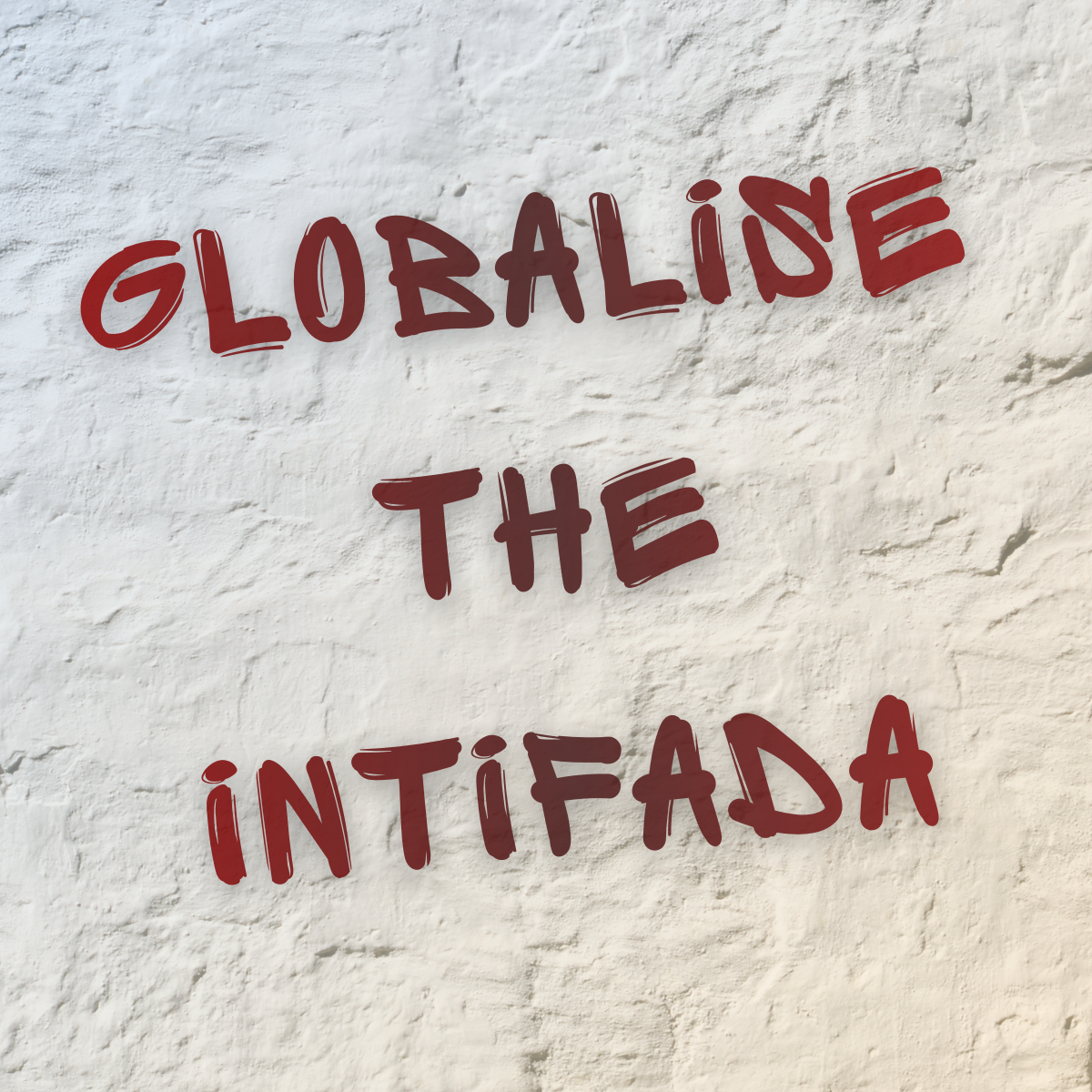
The slogan “globalise the intifada” is often heard at rallies and in public discourse.
“Intifada” has a specific political meaning in the Arab-Israeli conflict, referring to violent campaigns of terrorism targetting civilians.
Calling to “globalise the intifada” here in Australia is a call for violent terrorist attacks like the Bondi Beach attack in December 2025.
The right to free speech does not include the right to advocate, glorify, or call for violence.
Also useful to know
What “intifada” means
“Intifada” is an Arabic word meaning “uprising” or “shaking off”.
It has a very specific political usage in the Arab-Israeli conflict, historically and currently associated with periods of sustained terrorist violence.
It is especially associated with two violent campaigns – the First Intifada (1987 – 1993) and the Second Intifada (2000 – 2005) – which claimed the lives over 1000 civilians.
“Intifada” is not a peaceful protest
The First and Second Intifadas were not peaceful protest movements. They were campaigns of violence featuring suicide bombings, and shooting and stabbing attacks on civilian targets like buses, restaurants, shopping malls, and nightclubs.
More than 1000 Israelis, mostly civilians, were killed in the intifadas – including 15-year-old Australian schoolgirl Malki Roth who was murdered along with 15 other civilians in the bombing of a pizza restaurant in 2001.
What “globalising” the intifada means
The chant “globalise the intifada” is widely understood as a call to replicate the violence of the First and Second Intifada beyond the confines of the Israeli‑Palestinian conflict, in other parts of the world, including Australia.
The homegrown variant “globalise the intifada from from Gadigal [Sydney] to Gaza” does this explicitly.
It is carrying a readily understood historical meaning glorifying and endorsement of terroris violence against Jewish people in particular, like the Bondi Beach attack in December 2025, killing 15 innocent civilians.
What it means to the Jewish community
Since the 7 October war, the Australian Jewish community has experienced harrassment, exclusion, intimidation, vandalism, firebombings, and the worst terror attack in Australian history. Many also have friends or relatives who have been victims of terrorism overseas. When Jews hear this chant here in Australia it is seen as a direct call to violence against them.
Addressing misinformation
Hate speech is not free speech
Some claim the slogan is protected by the right to free speech. The right to free speech does not include the right to hate speech or the right to incite violence. The people using it are free to express their political opinion without a call to violence.
The slogan is not expressing solidarity
Some activists have falsely claimed the slogan merely “expresses solidarity” with Palestinians. A call to copy violent terror attacks in Australia is not a benign expression of solidarity.
The slogan is not criticising Israel
Some activists make an absurd claim that banning the slogan is an attempt to silence criticism of Israel. The slogan does not criticise Israel or Israeli government policy in any way. It is a crude call to violence.
Extremist rhetoric leads to extremist violence
Some claim that the slogan is “just words”. History has shown many times how extremist rhetoric leads to extremist violence, especially when there are no consequences for inciting violence. Extremist rhetoric vilifying Jews in the preceding years undoubtedly contributed to the Bondi Beach attack in December 2025.