
The invasion of the Soviet Union, launched on 22 June 1941, was to be a new kind of war, unprecedented in the history of war and conquest. The Germans called it Rassenkampf or race war, in which the primary aim was not territorial gain but the complete annihilation of the political and racial enemies of Nazism.
To achieve this, the German army was supplemented by elite task forces known as Einsatzgruppen. They were made up of seasoned German soldiers, generally educated men in their early 30s, picked from the ranks of the Gestapo and the Waffen-SS and reinforced by local police and volunteers who knew the land and knew the hiding places.
Their mission was to ensure that once territory had been captured by the army, it was ruthlessly and utterly cleansed of all elements deemed hostile to Nazism – chief among them, the Jews.
They would move with devastating speed, trapping the large Jewish population centres before the victims could discover their fate, then returning to conduct further sweeps sometimes days later, sometimes weeks later, but they would always return to ensnare any Jews who had evaded the initial dragnet.
On 21 September 21 1941 the German forces completed a massive encirclement of the Soviet armies around Kiev in what Hitler called “the greatest battle in history.” Two days earlier, the last Soviet soldiers withdrew from Kiev itself. On the same day, an elite unit of the Einsatzgruppen, known as Kommando 4a entered the city.
On the morning of 28 September, notices were plastered around Kiev in the German, Ukrainian and Russian languages, ordering the city’s Jews (they were referred to by the pejorative “Zhids” in the notices) to assemble the following morning at Babi Yar, a great sprawling expanse of ravines and parklands on the northern outskirts of the city. The notices instructed the Jews to bring their “documents, money, valuables, warm clothes, underwear etc.” thereby aiding the rouse that resettlement and not the machine-gun awaited them.
By the time the city fell to the Germans, Kiev had been partly depopulated. Men of fighting age had been conscripted, while their families, together with factory and agricultural workers, had been evacuated to industrial centres far from the battlefront, from which they could contribute to the war effort. Those who remained in the city were the exceedingly vulnerable and infirm.
Early on the morning of 29 September 1941, the Jews of the city began to make their way down Melnikova Street, the main road running from the city centre to Babi Yar. A witness observed a wretched procession of “howling children, the old and sick, some of them weeping … with their bundles roughly tied together with string.”
Others recalled seeing pure terror on the faces of the Jews as they drifted to their deaths under the gaze of their Ukrainian neighbours who had lined the street to watch. A Jewish woman approaching the assembly point turned to a soldier and asked in German, “What’s next?” “There is no next,” he replied. Another witness observed German soldiers losing patience with Jewish mothers unable to control their crying babies, snatching the distraught children from their mothers’ arms and tossing them over the wall at the assembly point “like pieces of wood.”
When the Jews reached the assembly point they were divided into small groups, they deposited their possessions and stripped naked in the autumn chill under the watch of Ukrainian auxiliaries. They were made to pass through a tight cordon of German soldiers with dogs where they were clubbed mercilessly before reaching the other side. A survivor recalls the soldiers were “drunk with fury in a sort of sadistic rage,” while those observing “laughed happily as if they were watching a circus act.”
Naked, wounded, bewildered, the victims were powerless to resist and were obedient without recorded exception. Teetering on the edge of the ravine clutching their children, they awaited the fire of machine-guns and toppled into the void beneath them. Some were not lethally wounded and bled to death under a mass of bodies. Others slowly suffocated under the earth that was heaped onto the victims at the end of each day of killing.
Residents heard the sound of machine-gun fire from dawn till nightfall and reported that the killing site shifted and moaned for days after the massacre. At night, the soldiers lit bonfires, slurped coffee from aluminium cups, and helped themselves to any women designated for shooting the following day.
Babi Yar astounds for the dizzying speed with which the city’s Jews, fully integrated with their ethnic Ukrainian neighbours, were plucked from an ordinary urban existence to the hell of that ravine. And for the sadistic enthusiasm with which the operation was carried out by the Nazis and their Ukrainian collaborators. There was nothing banal about the evil at Babi Yar.
Some Ukrainians hid and protected their Jewish neighbours, but for the most part their reaction ranged from apathy to wilful participation. The Germans reported that they received more tip-offs about the locations of hiding Jews than they were able to process.
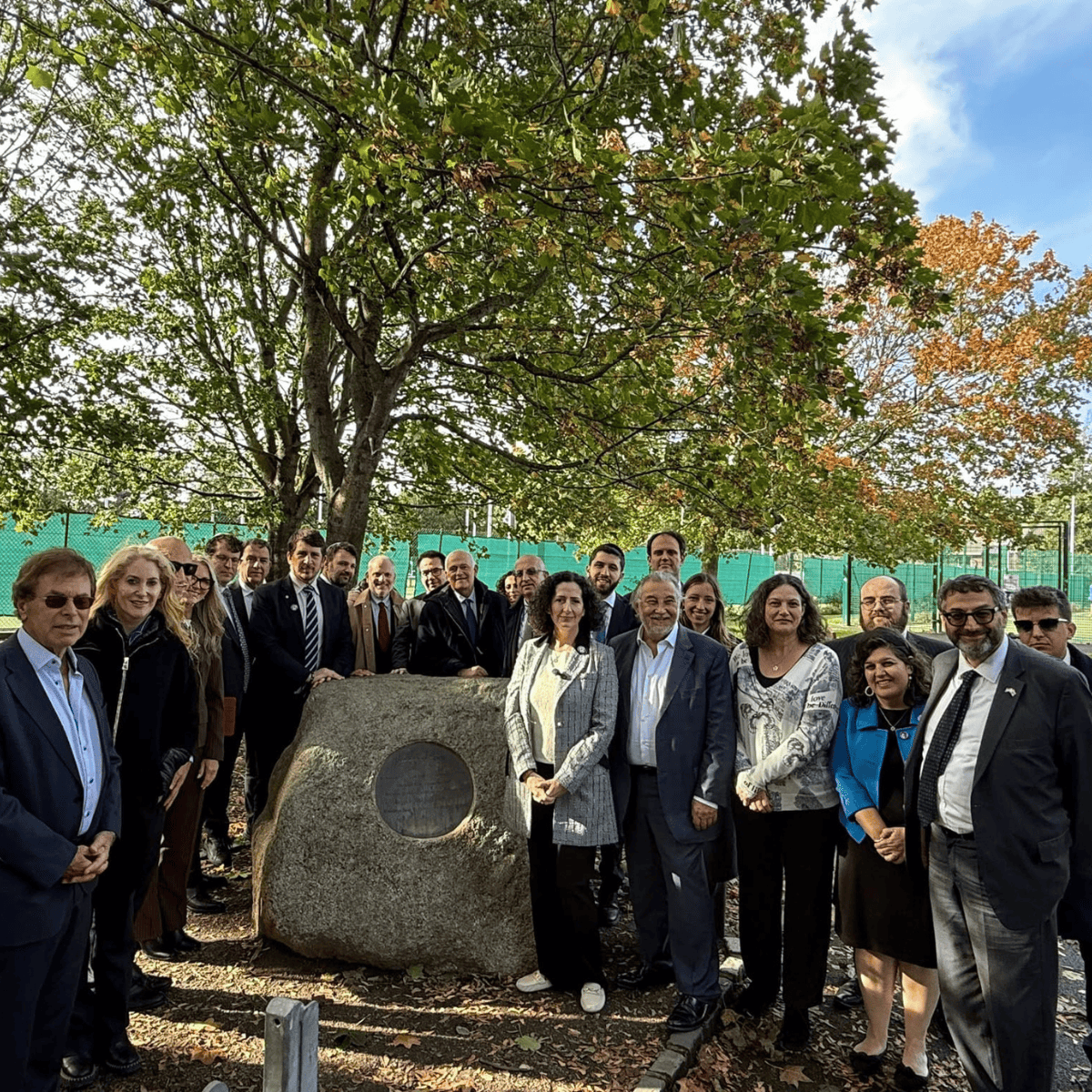
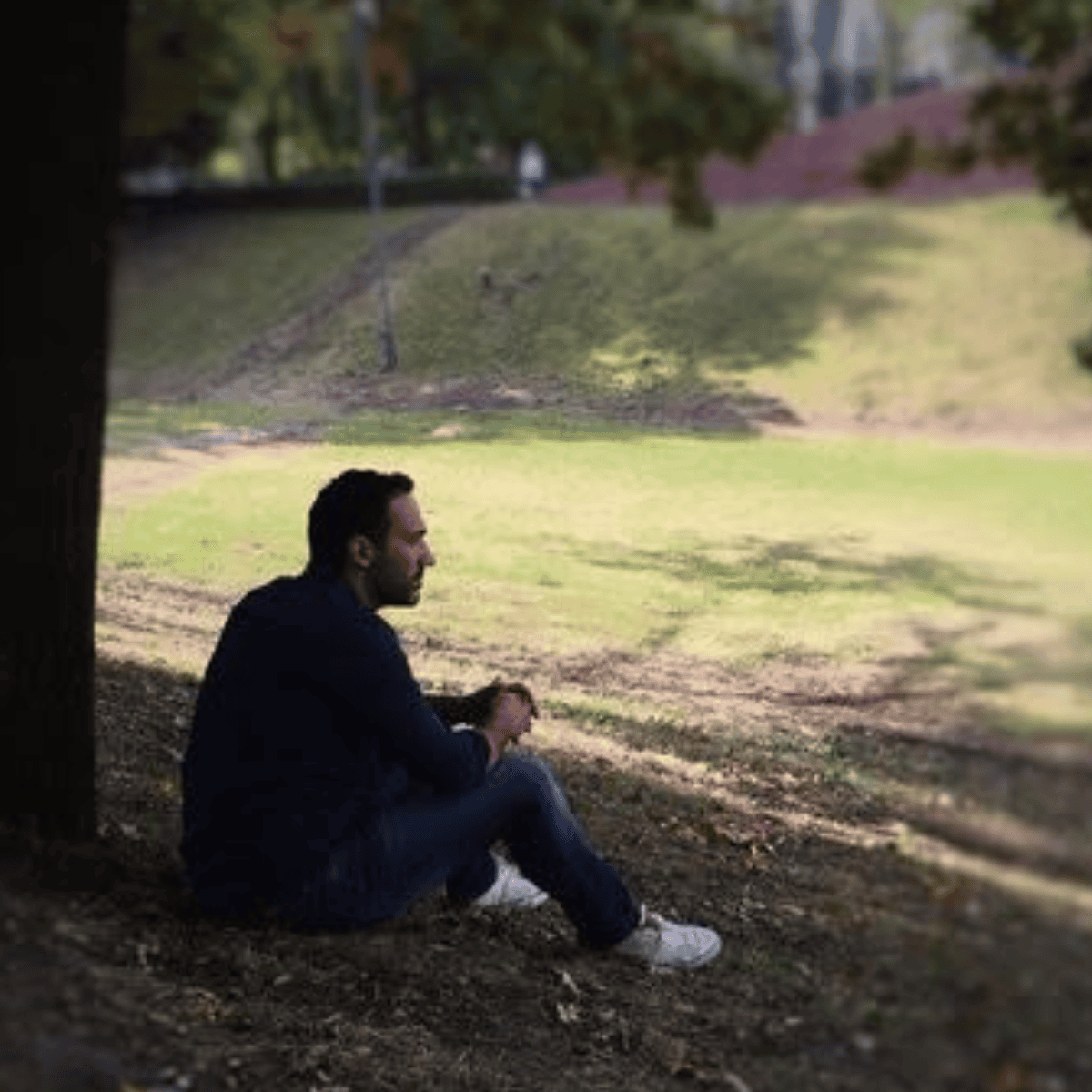
Elie Wiesel wrote that there is nothing to see at Babi Yar. And he was right. I returned there just a few months ago. There is no infrastructure of mass murder to remind and educate as at Auschwitz or Dachau. You have to close your eyes to see the thousands upon thousands falling into that ravine. You have to concentrate with all your energy to hear their cries in a place that seems so natural and pleasant that it could be this very garden. And that is exactly why we must always remember it. Because what happened there is so hard to comprehend and so easy to forget.
When we remember Babi Yar, we remember all the Jews massacred throughout the vast lands of the former Soviet Union. Over 1.3 million Jews were killed in the Former Soviet Union in this way. Every single town, every village and every city has its own ravines and mass graves and killing fields. Its own Babi Yar.
In the majority of these places there are no Jews left to bear witness. In some places no one survived, no memorials stand, certainly no museums or resident scholars to inform the locals or tourists. People walk atop the ash and bones of our sacred dead oblivious to the horrors that transpired there just a few generations ago.
And if we will not remember, if we will not educate ourselves and others on the full breadth of the tragedy that consumed our people, then who will?
Alex Ryvchin is the Co-CEO of ECAJ. This piece was originally delivered as a speech marking the 75th anniversary of the massacre at Babi Yar